
Roberts Environmental PFAS Risk Assessment
A PFAS Risk Assessment evaluates the potential presence and impact of per- and polyfluoroalkyl substances (PFAS) at a site, helping developers and landowners understand whether these persistent chemicals could pose risks to human health, groundwater, or the wider environment. Often carried out as part of a desk-based environmental study, the assessment reviews historical land use, nearby potential PFAS sources, regulatory data, and site conditions to determine the likelihood and significance of contamination. Where risks are identified, the assessment can recommend further investigation—such as soil or groundwater testing—and provide practical guidance to manage liabilities and support safe, compliant development.
01. Understand Your Site
The regulation of PFAS globally is ever changing and can result in associated risks and liabilities not being explicitly addressed.
We believe that consideration should be given to PFAS from the earliest opportunity within Phase I Assessments, and where required, within future Phase 2 and Remediation works.
Due to numerous and widespread historic uses of PFAS, there are many potential sources which may result in risks and liability during property development and investment which must be assessed within the context of your site.
02. Assess Site Specific Information
REL have developed an in-house PFAS risk screening tool within GIS software to quickly and effectively assess the risks associated with PFAS at your site during a desk-based study.
We review our PFAS Database of 24,500+ potential UK sources, and specialist environmental searches are ordered to build a PFAS conceptual site model, determining the significance of risk for development and investment. Additional information considered includes:
- Historical maps;
- Site inspection to assess current operations and PFAS use;
- Regulatory enquiries;
- Information held in the data room; and
- Appraisal of previous technical reports.
03. Quantify Risks
We assess the significance of potential PFAS contamination at your site and within the surrounding area, taking your specific needs into account.
Following a review of all desk-based information and findings of the site walkover an assessment is made to:
- Determine what risks (if any) are present;
- Assess the environmental setting to determine the significance of risk from PFAS (if present); and
- Quantify within the context of the sites current or proposed use.
04. Provide Advice
Conclusions are drawn and cost-effective recommendations and advice are provided, enabling you to make informed decisions.
The report will include a summary of any identified PFAS risks, summarised as LOW, MEDIUM or HIGH.
Where required, a suitable scope of intrusive testing will be developed and soil / groundwater testing can be undertaken to further quantify the risks present.


Projects
Performance from
the ground up

Site Investigation
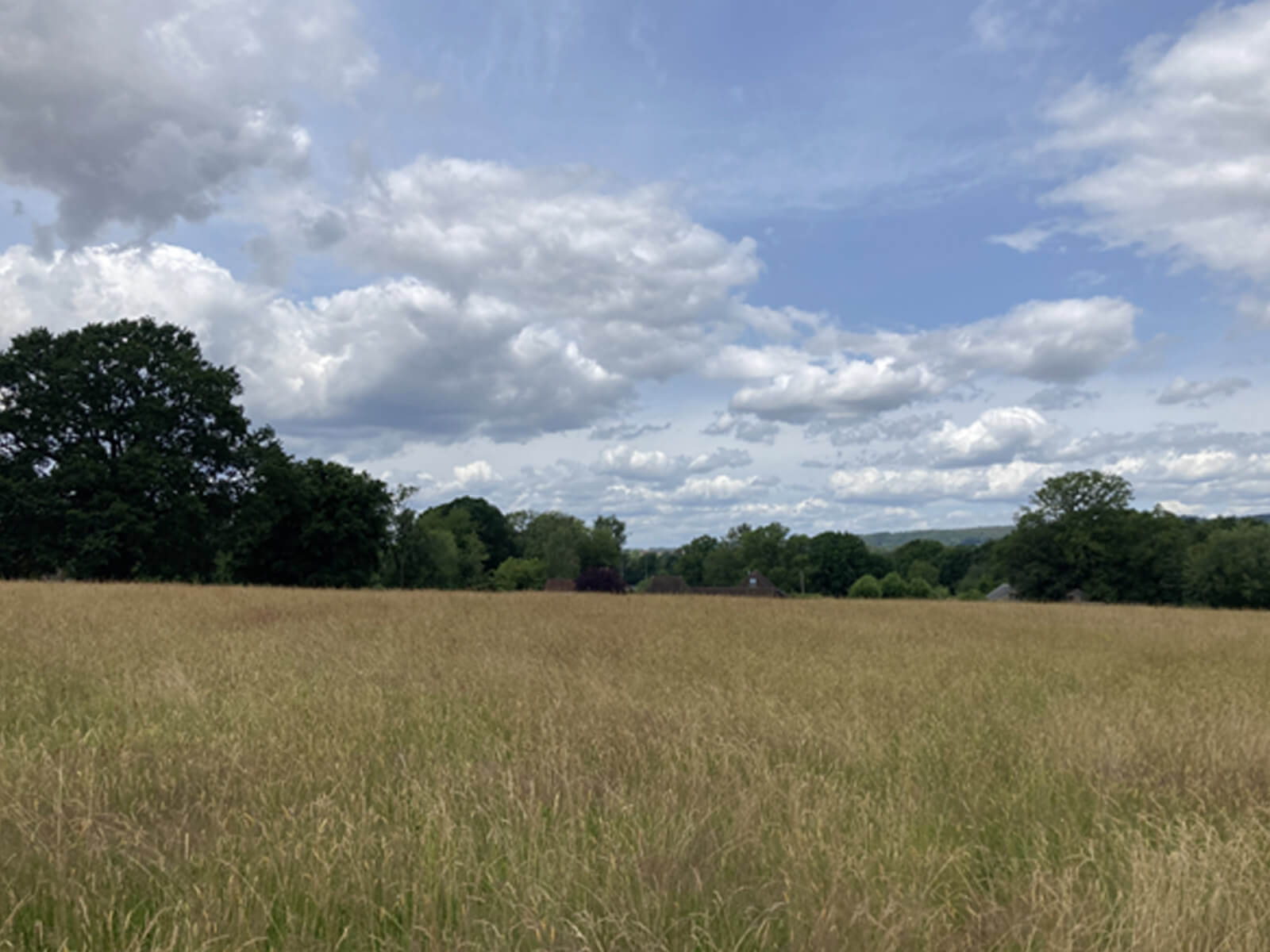
Agricultural Land Classification
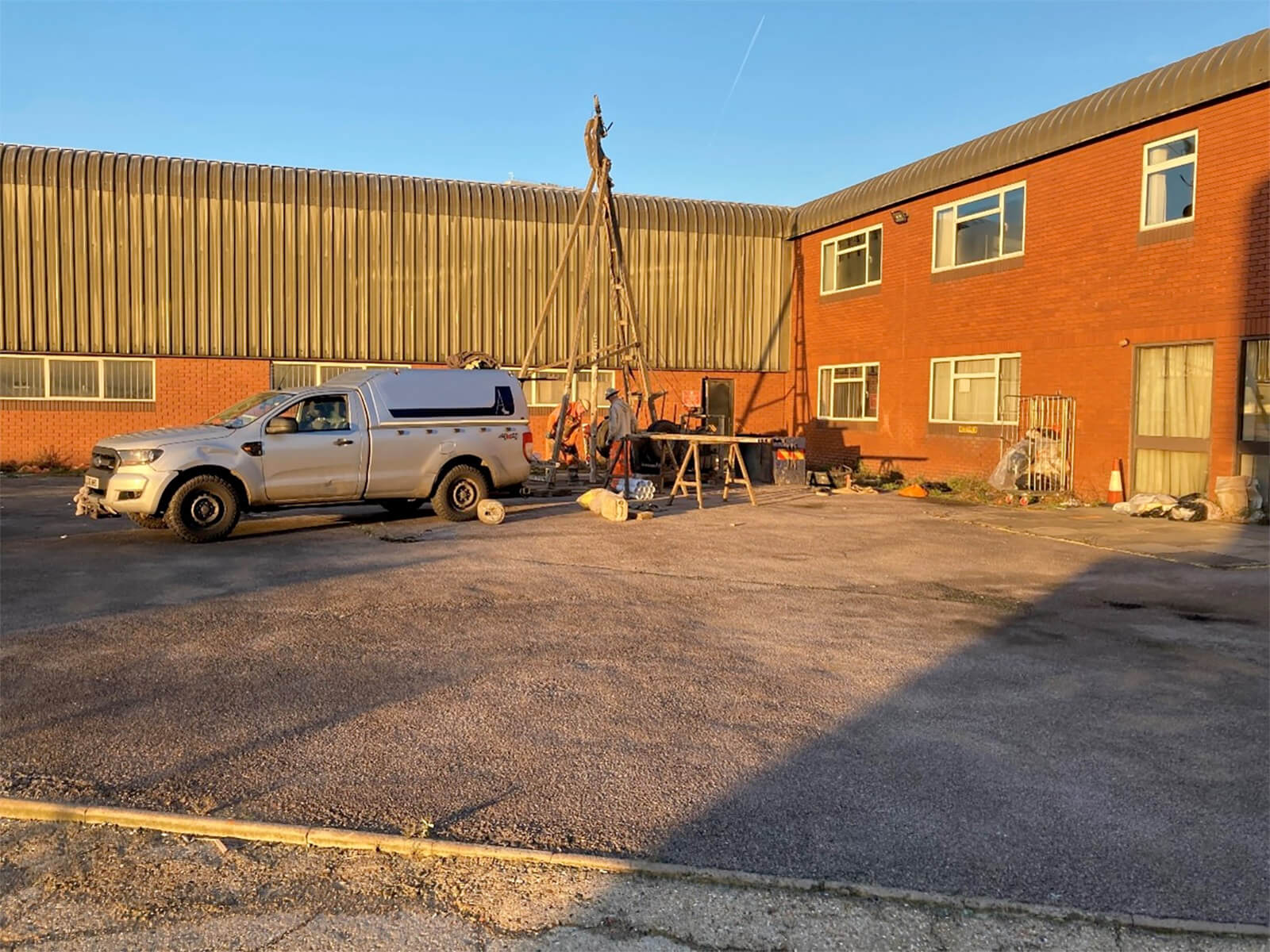
Site Investigation

Site Investigation
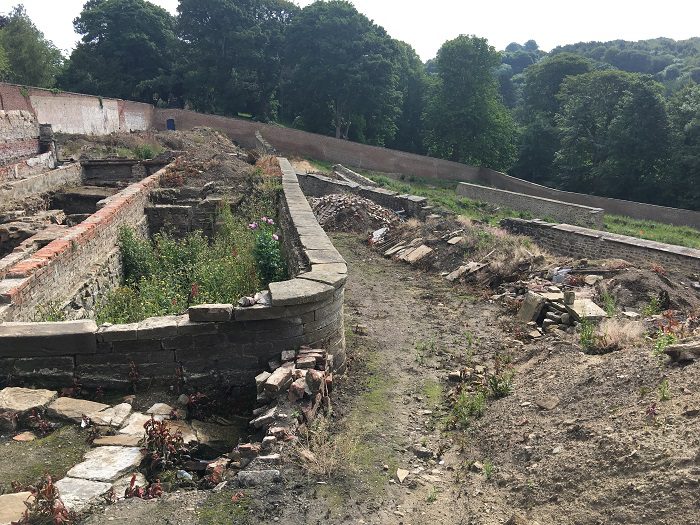
Site Investigation
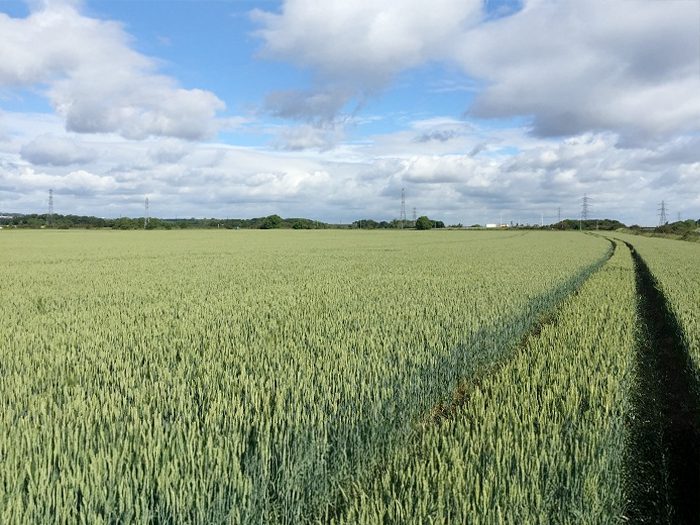
Site Investigation

Site Investigation

Due Diligence
Offices
Newcastle
1 Croft Stairs
Newcastle Upon Tyne
NE1 2HG
0191 230 4521
London
55 Whitfield Street
London
W1T 4AH
0207 183 8491