
Roberts Environmental Ground Movement Assessment
A Ground Movement Assessment analyses how natural and man‑made factors could cause the ground to shift, settle, or deform beneath a proposed development. It considers influences such as soil conditions, historical mining, nearby trees and vegetation, shrink–swell clays, and groundwater changes to predict the likelihood, magnitude, and rate of ground movement. By identifying potential risks early, the assessment helps engineers and planners design appropriate foundations, mitigation measures, and monitoring strategies to protect structures, infrastructure, and people from damage associated with ground instability.
01. Understand Your Risks
Total and differential settlement may lead to structural defects and in a worst-case scenario, failure of a foundations or floor slab if not suitably mitigated at design stage.
Ground Movement Assessments may be required for:
- Larger foundations, such as larger pad foundation areas and rafts which may experience differential loading;
- Earthworks, to understand the settlement implications;
- Foundations proposed near existing foundations.
02. Understand Your Site
An initial step is for our experts to review all available previous reports.
Where further information is required, we would undertake a detailed ground investigation within the affected area, or across the subject site to determine the ground conditions and allow for geotechnical testing to be undertaken. We would also require information regarding the loading of the proposed foundation(s) and proposed formation levels.
03. Provide Interpretation
Depending on requirements, it maybe feasible to undertake a detailed settlement check based upon project specific assumptions by use of traditional calculations.
However, should the complexity determine, Roberts Environmental will utilise specialist assessment and modelling software, Oasys PDisp, which models Loading Induced Ground Displacement. This software is particularly useful in determining settlement for larger foundations such as rafts, or determining the differential settlement between newly placed foundations in proximity of one another.
04. Provide Advice
The findings of the assessment are then compiled and summarised into a Ground Movement Assessment Report. The report would summarise the findings of the calculations / modelling, confirm the anticipated settlements associated with the project, and determine the overall feasibility of presented proposals.


Projects
Performance from
the ground up
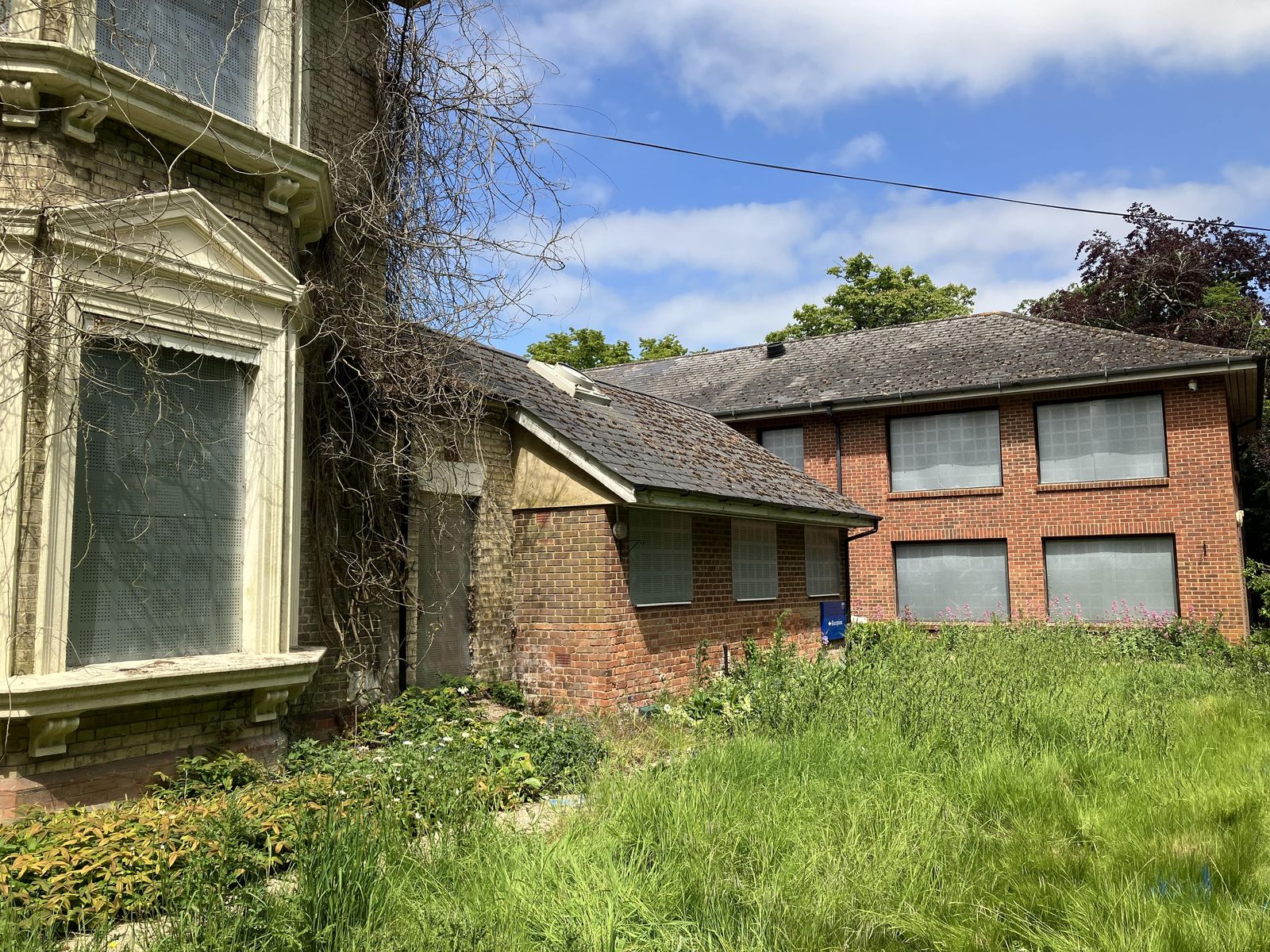
Site Investigation
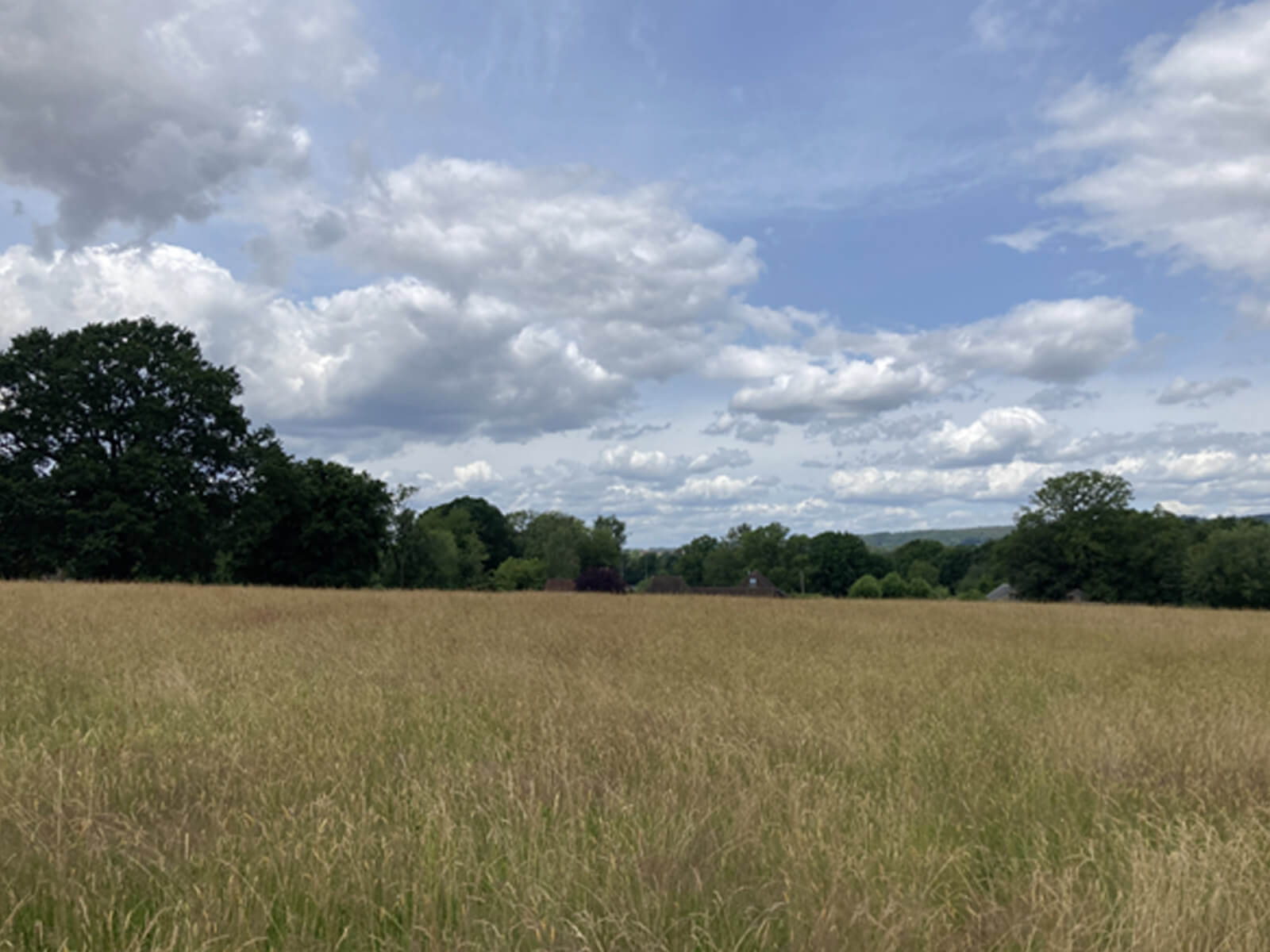
Agricultural Land Classification
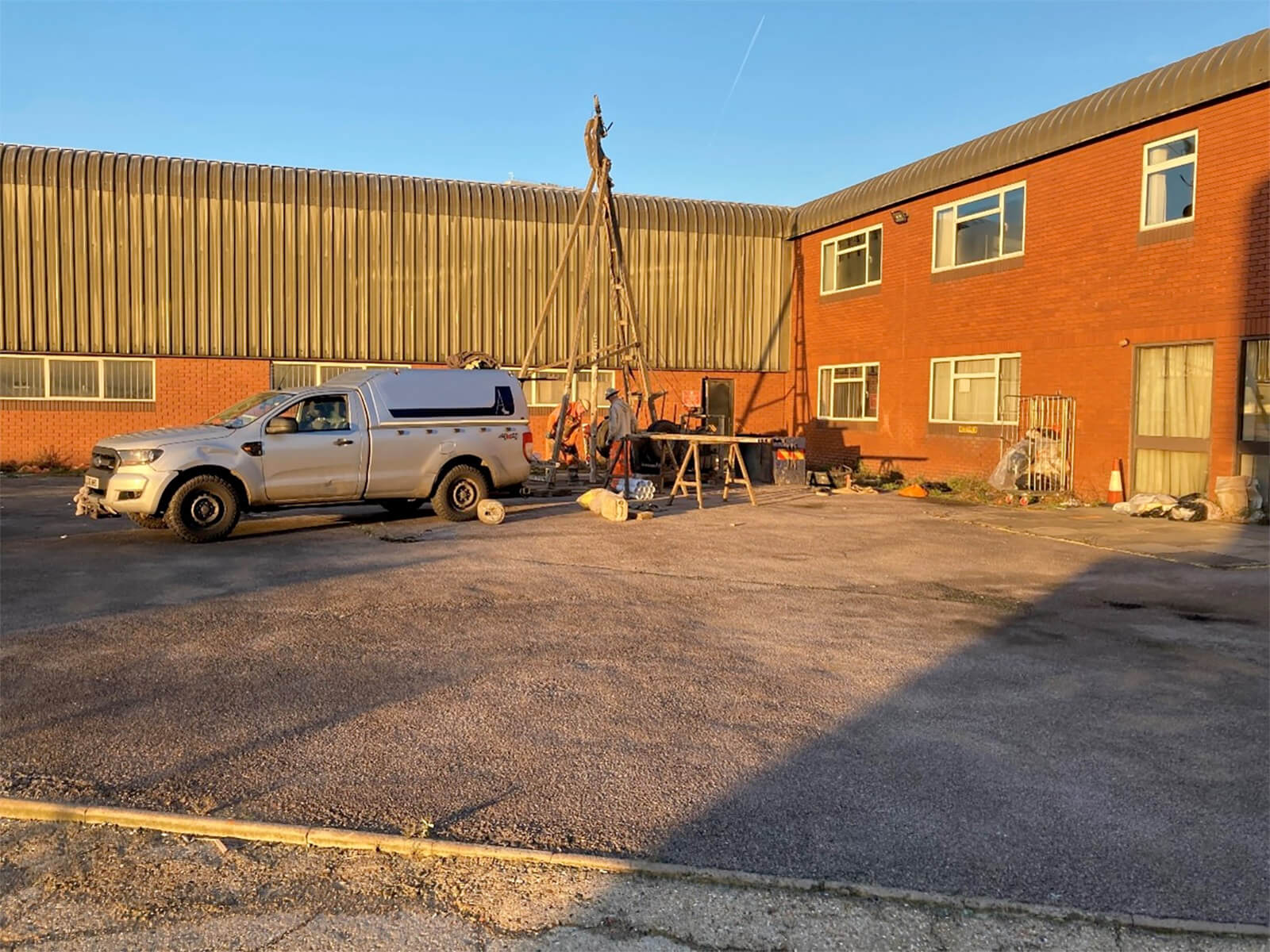
Site Investigation

Site Investigation
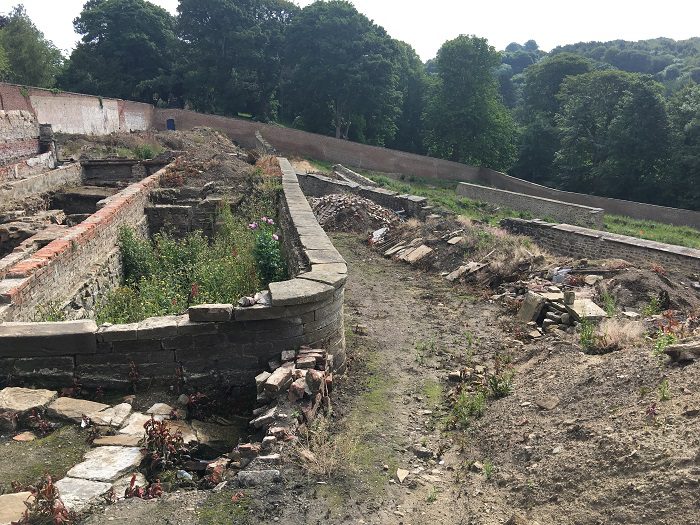
Site Investigation
Site Investigation
Site Investigation

Due Diligence
Offices
Newcastle
1 Croft Stairs
Newcastle Upon Tyne
NE1 2HG
0191 230 4521
London
55 Whitfield Street
London
W1T 4AH
0207 183 8491